
Should Your Mascot Be 2D or 3D? Start With Where It Needs to Go
Last updated: November 2026
“2D or 3D?” is usually the first question in a mascot project. But it is not quite the right one.
Every mascot goes through a 2D stage: sketches, expressions and proportions are drawn first. The real decision is whether to finalise the character in 2D or 3D. That decision depends not on budget or preference, but on what the character needs to do in the future.
Let the intended use decide
If the character will mainly appear in icons, WhatsApp stickers or simple printed materials, a 2D final design is usually enough and costs less. 3D can also be used for print, packaging and stickers, though 2D is more common in these contexts.
Once the character needs to appear in a TVC, animation, a figure or campaigns over the long term, 2D starts to become limiting for two reasons:
- Perception: In Hong Kong, a flat-colour line drawing can be seen as unfinished, while 3D is often viewed as an upgrade.
- Versatility: A 3D model can be rendered as 2D at any time, but a 2D design cannot simply become 3D. Starting with 3D keeps more options open.
Why AI makes the question more urgent
Many brands now use AI to put mascots in new poses and settings. That brings a new problem.
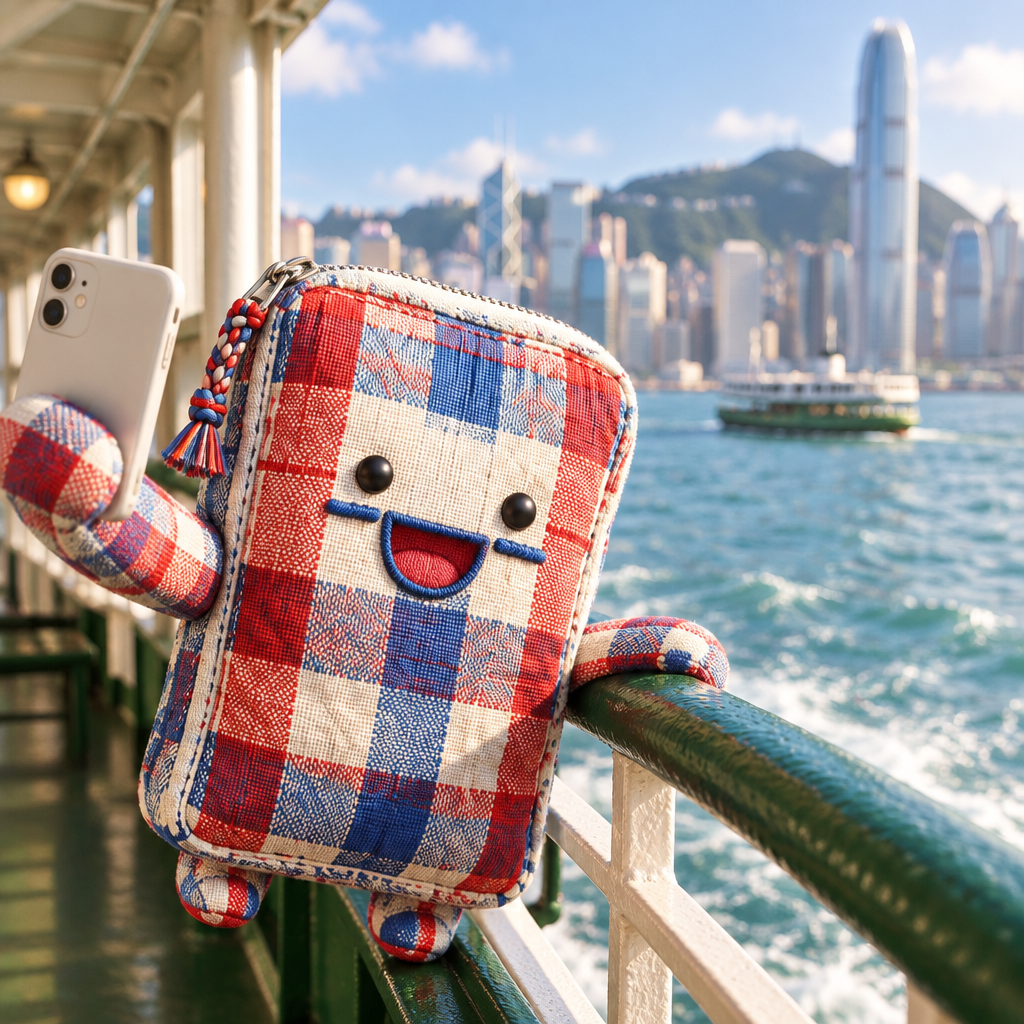
At first glance, the image does not look wrong. It even looks natural. That is precisely the problem: AI is not drawing at random; it is interpreting the character using its own assumptions. A laugh needs a mouth, and a mouth needs stitching. The character's defining feature changes without anyone noticing.
The more distinctive a character is, the more easily AI can misinterpret it. A nose becomes a mouth, hair becomes an eye, or an extra mouth appears under the chin while eating.
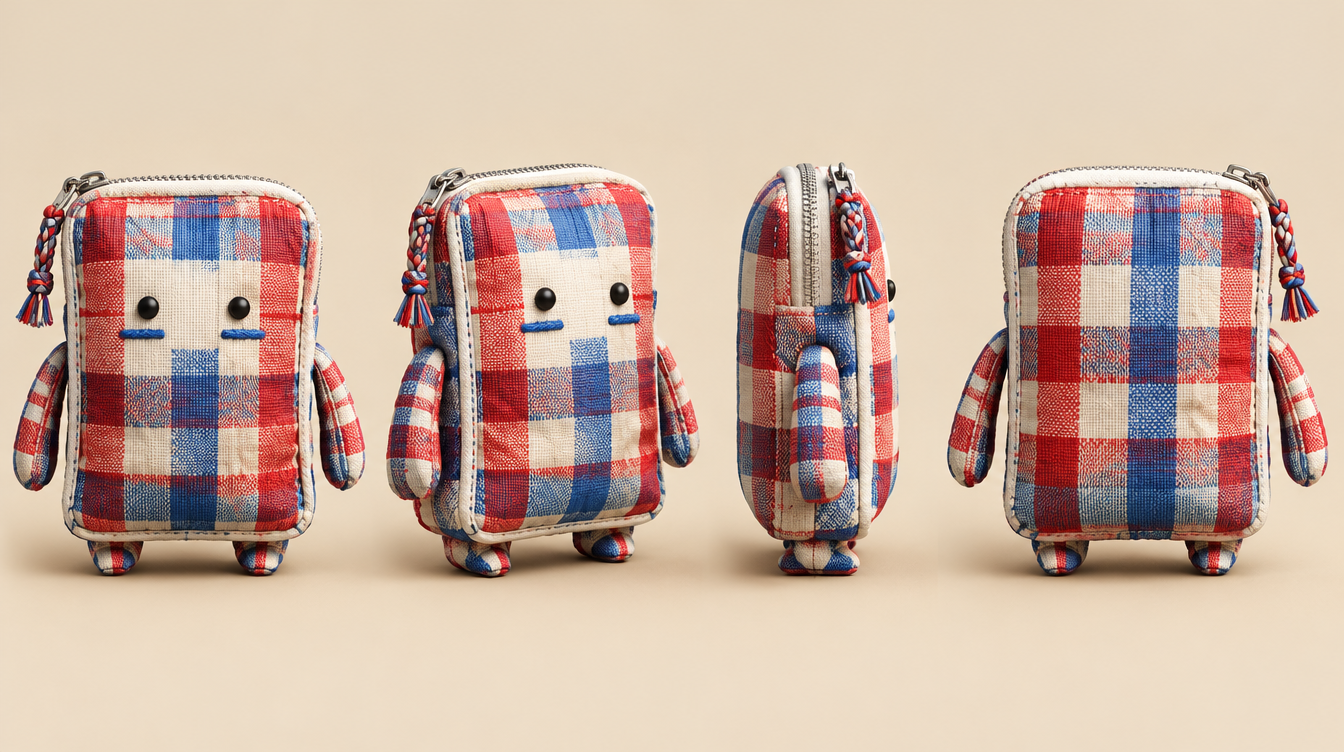
A 3D model is the most reliable way to address this. Pose the character in 3D first, then use AI to refine the image; or brainstorm a movement with AI, rebuild 80–90% in 3D and let AI complete the rest. The 3D model locks the character's proportions and features, while AI handles what it does best.
In the AI era, the 3D model is a mascot's master file.
What a lasting 3D model should include
Having a 3D model alone is not enough. To keep a character consistent across teams and tools, it needs at least:
- Multiple views: front, 45-degree, side and back views for previews, AI references and figure manufacturers.
- A rigged Blender file: ready to pose without rebuilding it each time.
- A few extreme expressions: define the character's expression language, such as whether it opens its mouth or what colour its tears are, so AI and other teams can follow it.
- Materials: saved in the file so the look stays consistent when another person takes over.
- Turntable (optional): shows the whole character in one view.
Late Studio's 3D mascot projects include the Blender project file by default.
Starting from what you already have
Clients come to Late Studio from different starting points, so the scope changes accordingly:
| Scope | Suitable starting point | Deliverables | Time |
|---|---|---|---|
| Basic | A character image already close to a 3D look | 3D model, several poses, renders, PDF | A few days to one week |
| Standard | References or an initial idea | Character design, 3D model, transparent PNG stickers of 4–5 common poses, deck | About one month |
| Complete | No concept yet | Proposal, concept design, usage planning, template, 3D model | About three months |
Converting 2D to 3D most often gets stuck on proportions, side and back views, and materials. Many 2D designs show only the front, leaving their volume unclear. In these cases, the team first produces around 20 3D-look images from different angles and confirms the form before modelling, avoiding the discovery halfway through that the character cannot be turned around.
Related work
- Mascot Squad 3D Models | Emmas Mattress: a character series designed by Late Studio.
- Shui Wah Hong robot: designed by Late Studio.
- Catalo Brand Mascot | 3D Character and Lion 3D Character | HSBC: 3D versions made from the clients' existing designs.
- MTR Mascot | T Chai Promotional Videos: content made using an existing character.
In closing
A mascot is not a one-off design, but an asset a brand may use for years. Whether to choose 2D or 3D depends on how far the character needs to go with the brand. If the answer is a long way, a stable 3D model is worth making.