
3D Virtual Idol Production | Fubon Bank TVC
3D Character3D Animation
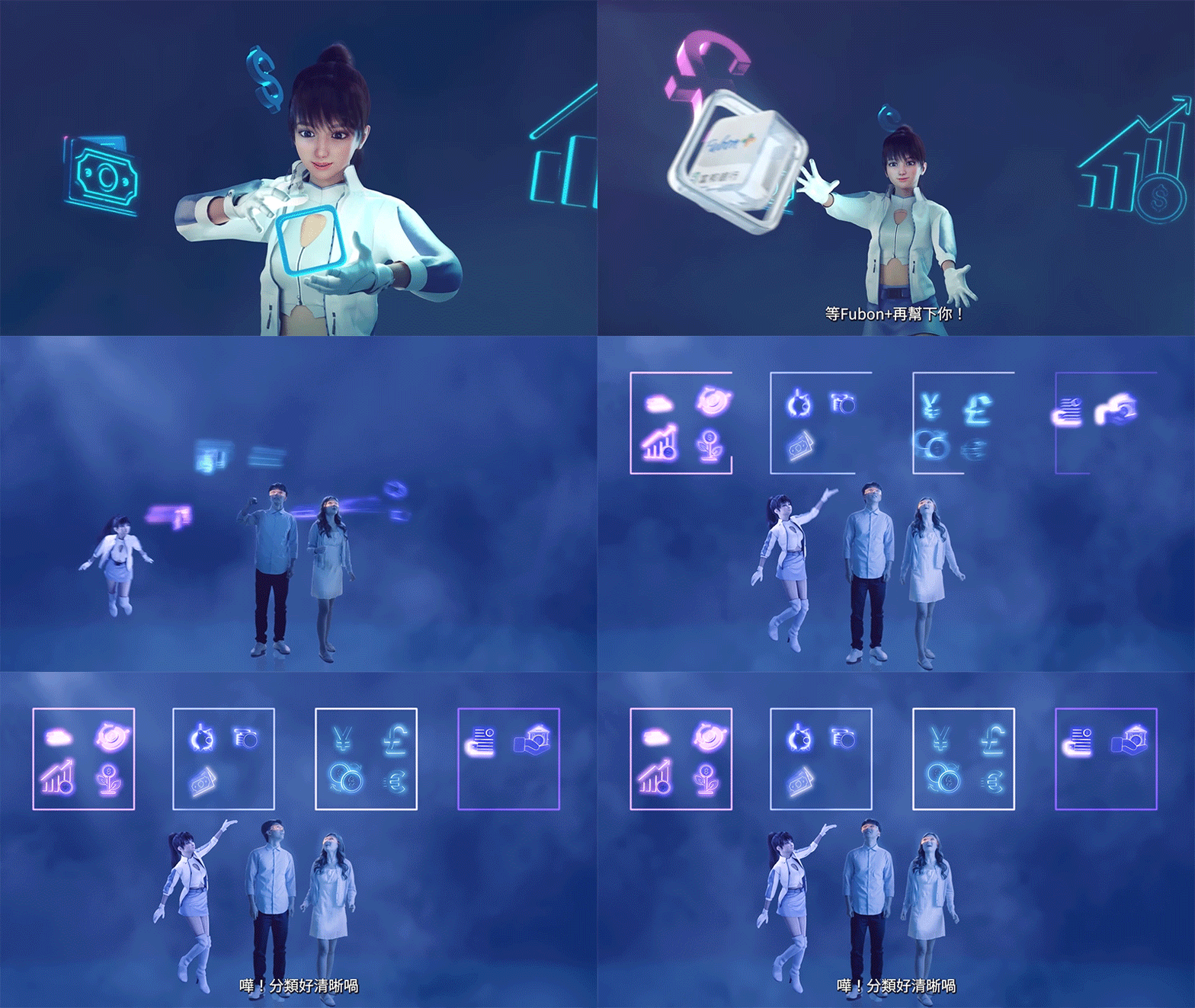
Late Studio created a virtual idol for Fubon Bank and produced the character layer of its TV commercial. From the initial character design and 3D character creation to the final character animation integrated with live-action footage, everything was handled by Late Studio. We used Blender and Marvelous Designer to design the character and its clothing.
Over the three months of the project, the team grew rapidly through many challenges. Looking back at where we stood three months earlier when the project wrapped, the team could truly feel the breakthroughs and transformation Late Studio had gone through.




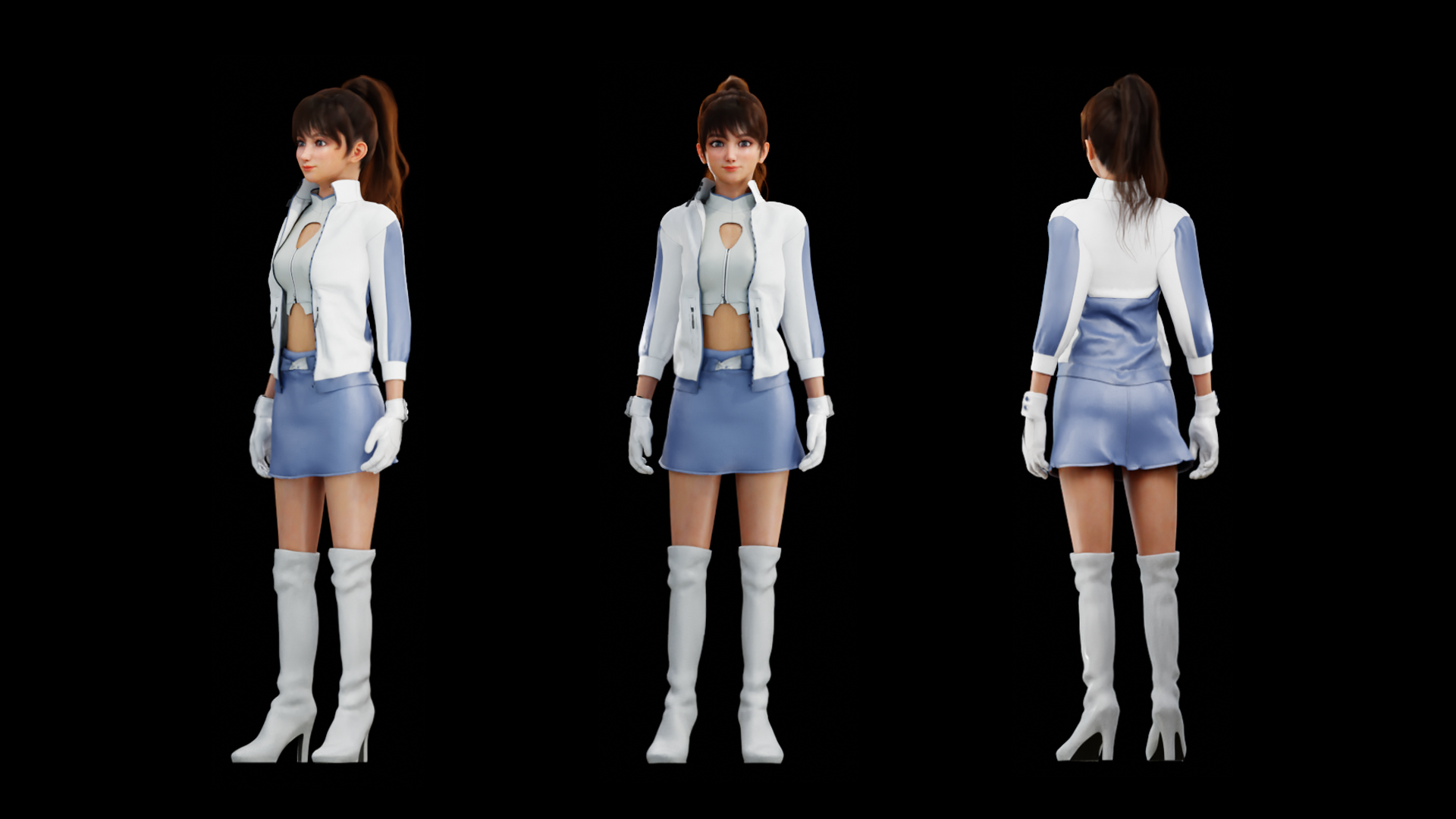
Final 3D Character Model
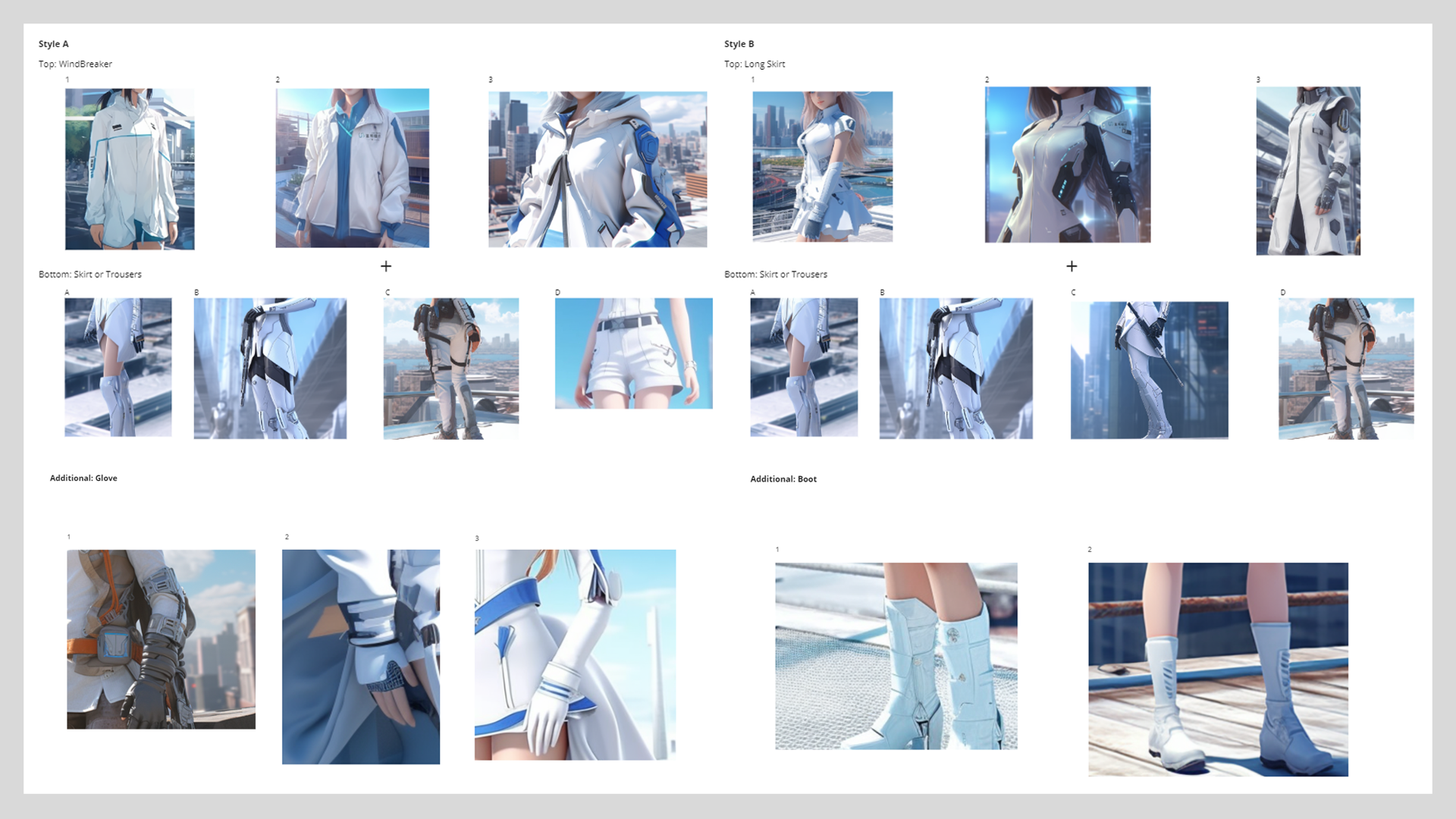
AI as an Early Reference
In the early stage of the project, the team used Midjourney AI to generate reference images for communication. The virtual idol’s look centred on “futuristic”, “clean” and “bright” design elements. Using these as prompts, the team generated AI images and used them to align with the client on the direction of the clothing design.
3D Virtual Idol Production Process
Facial Modelling | The Importance of Consistency
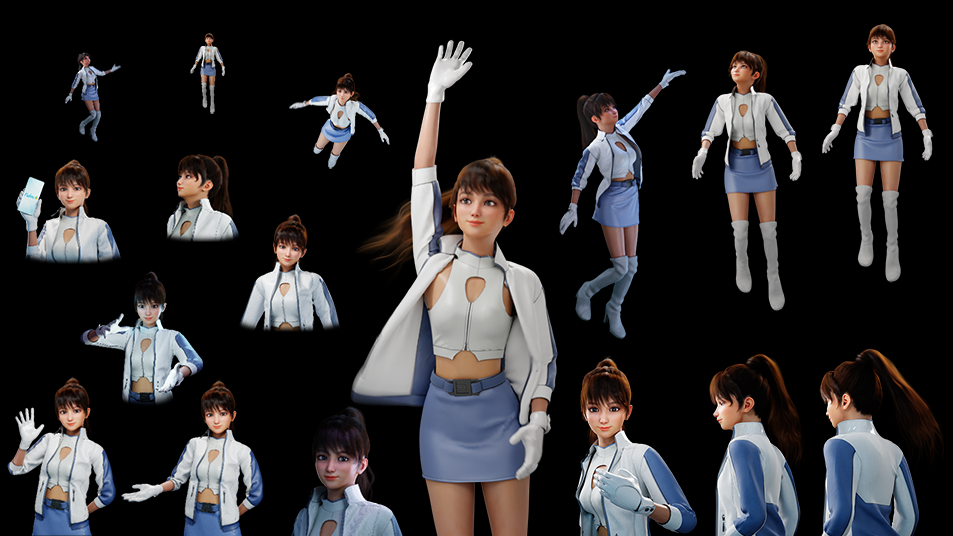
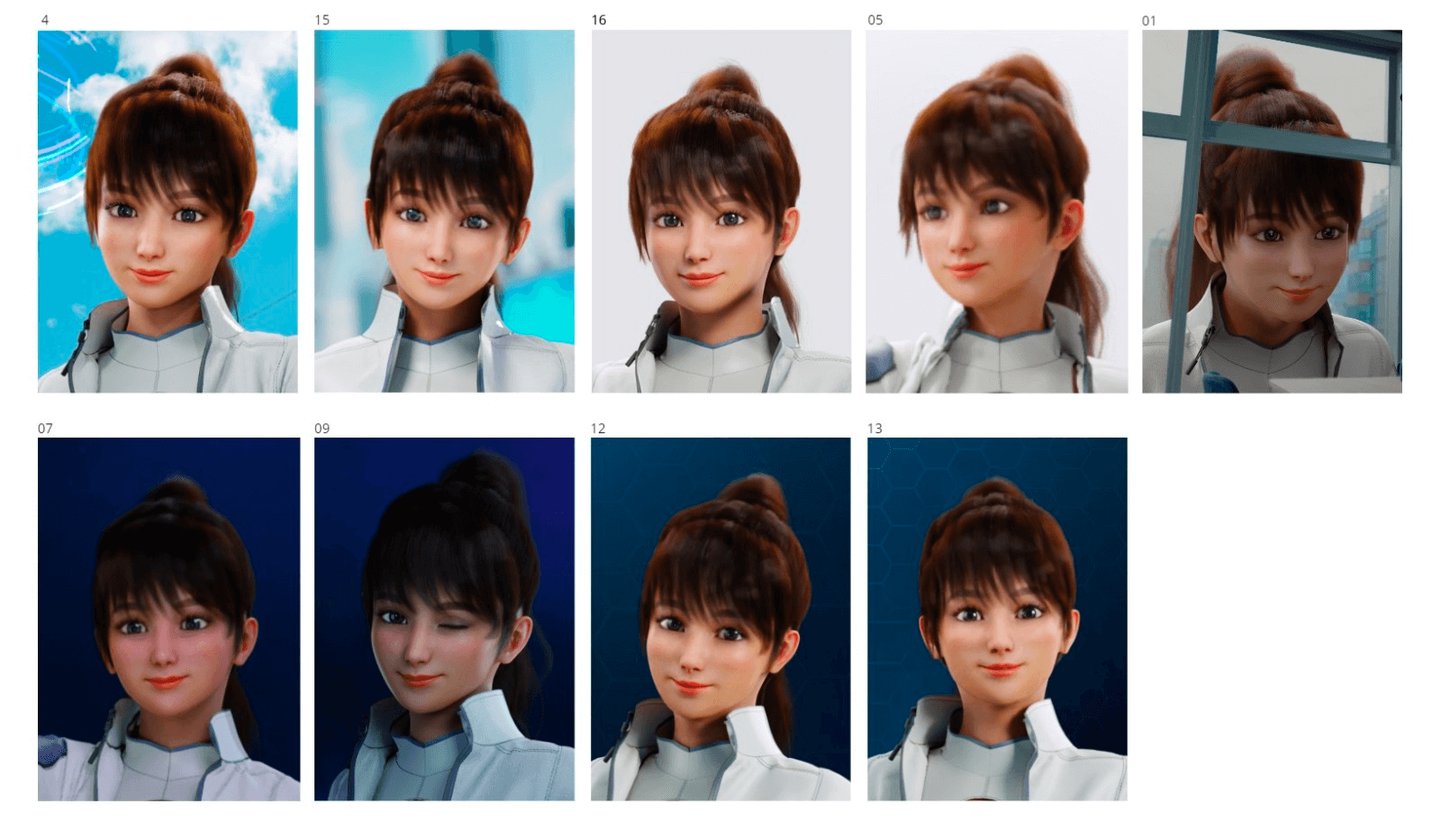
The face posed many challenges. Beyond well-defined features, the character had to stay consistent in every scene. The team found that different expressions, camera angles and even focal lengths could make her look like “a different person”. As the character was not based on facial capture of any actor but built entirely as a virtual 3D character, consistency demanded extra care, such as considering other angles during modelling and limiting changes in focal length.
Clothing | Marvelous Designer
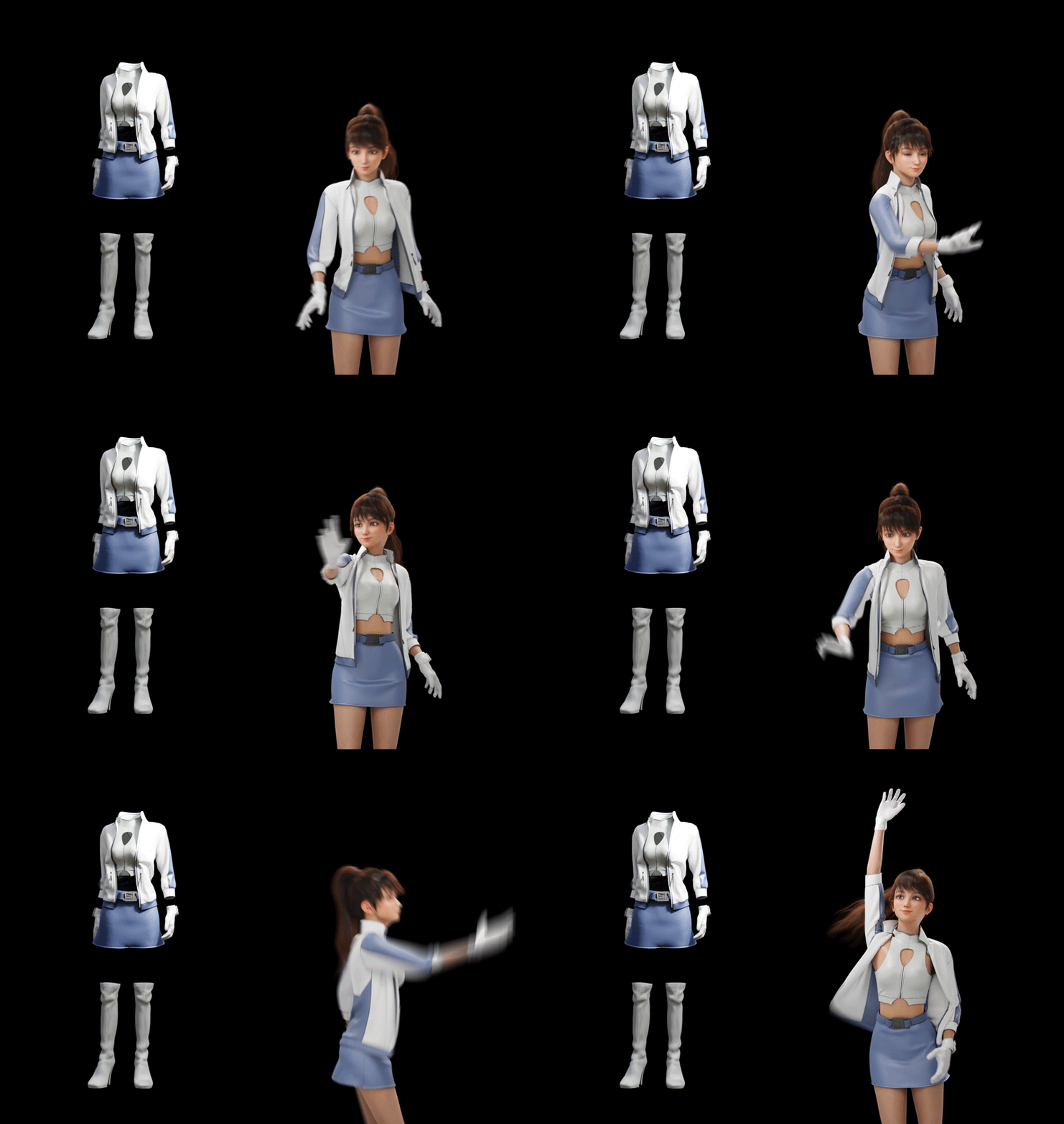
Having mastered Clo3D on the earlier FabriX project, this time the team used the similar Marvelous Designer to create the character’s clothing. The workflow was the same: complete the character’s basic animation in Blender, export the model to Marvelous Designer to simulate the clothing, and finally combine the two in Blender.
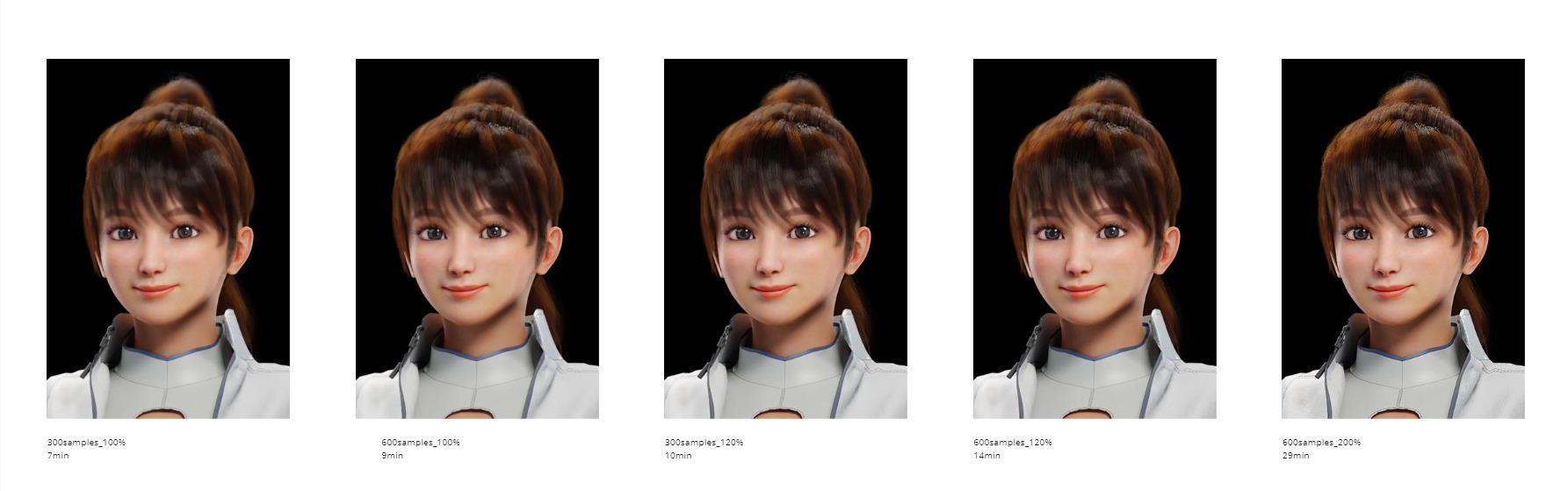
Render Test | Samples vs Resolution
In 3D animation, higher sample counts mean less noise, and resolution is another key factor. Even when the final output is a 1920×1080 video, rendering at 120% or higher resolution and downscaling in post can raise the level of detail even further.
However, both samples and resolution heavily affect render time. The team therefore tested different settings on the most representative shot, comparing render time against the resulting detail, to find the most efficient render parameters.